brand: Verizon
work performed: Product Management, Vision, Team Direction
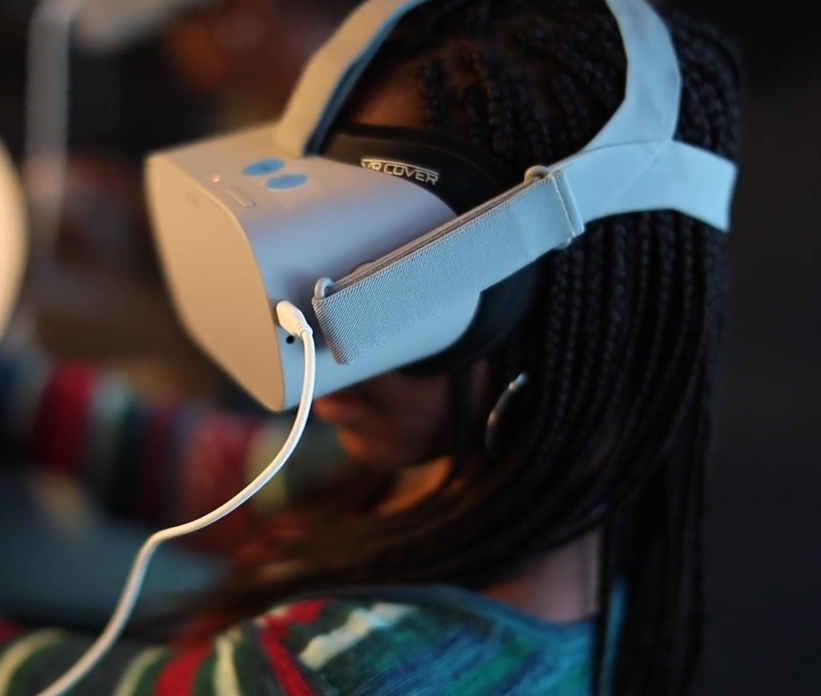
The event featured numerous activities and opportunities for children to interact with technology, learn about different aspects of Verizon, view fascinating demonstrations and have fun. We created the VR and AR attractions for the day which saw record turnout of over 1800 children of Verizon employees attending.
Part of the logistical challenge was creating experiences that would be fun but could be fast enough to accommodate so many child attendees. We settled on an in-VR puzzle experience and an AR-scavenger hunt that could be played on smart phones.
Team Credits:
Min Hyul Bae - Lead 3D Generalist
Jeff Orthober - Mobile Engineering Lead
Mikei Huang - UX Designer
Elizabeth Won - UX Designer/Graphic Designer
Tanuj Palghamol - Technical Artist / Developer
brand: Verizon
work performed: Product Management, Vision, Team Direction
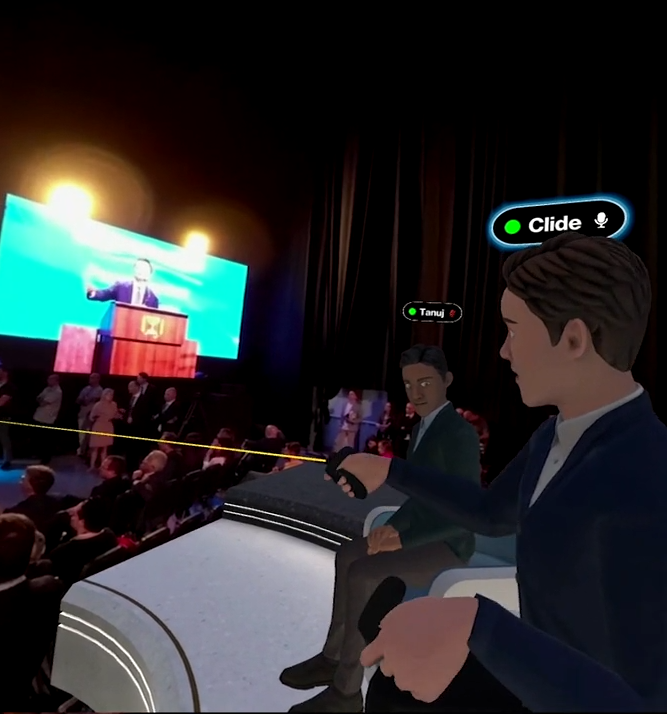
Wouldn’t it be great to be in 2 places at once? To be able to attend company meetings and events and work with your colleagues in this new normal more like you were physically present?
Pilot project, Live Events, allowed Verizon employees to immerse themselves in streaming live business events in a shared VR space as if they were there … together. It was an internally released mobile app that provided a virtual reality hub for Verizon team members to attend conferences, meetings, and live events. The intention was to pilot the product internally to gather data and interest before moving on to the next phase which is currently in progress.
Team Credits:
Min Hyul Bae - Lead 3D Generalist
Jeff Orthober - Mobile Engineering Lead
Mikei Huang - UX Designer
Tanuj Palghamol - Technical Artist / Developer
Cory Bruno - Developer
brand: Verizon
work performed: Concept, Creative Direction, Design
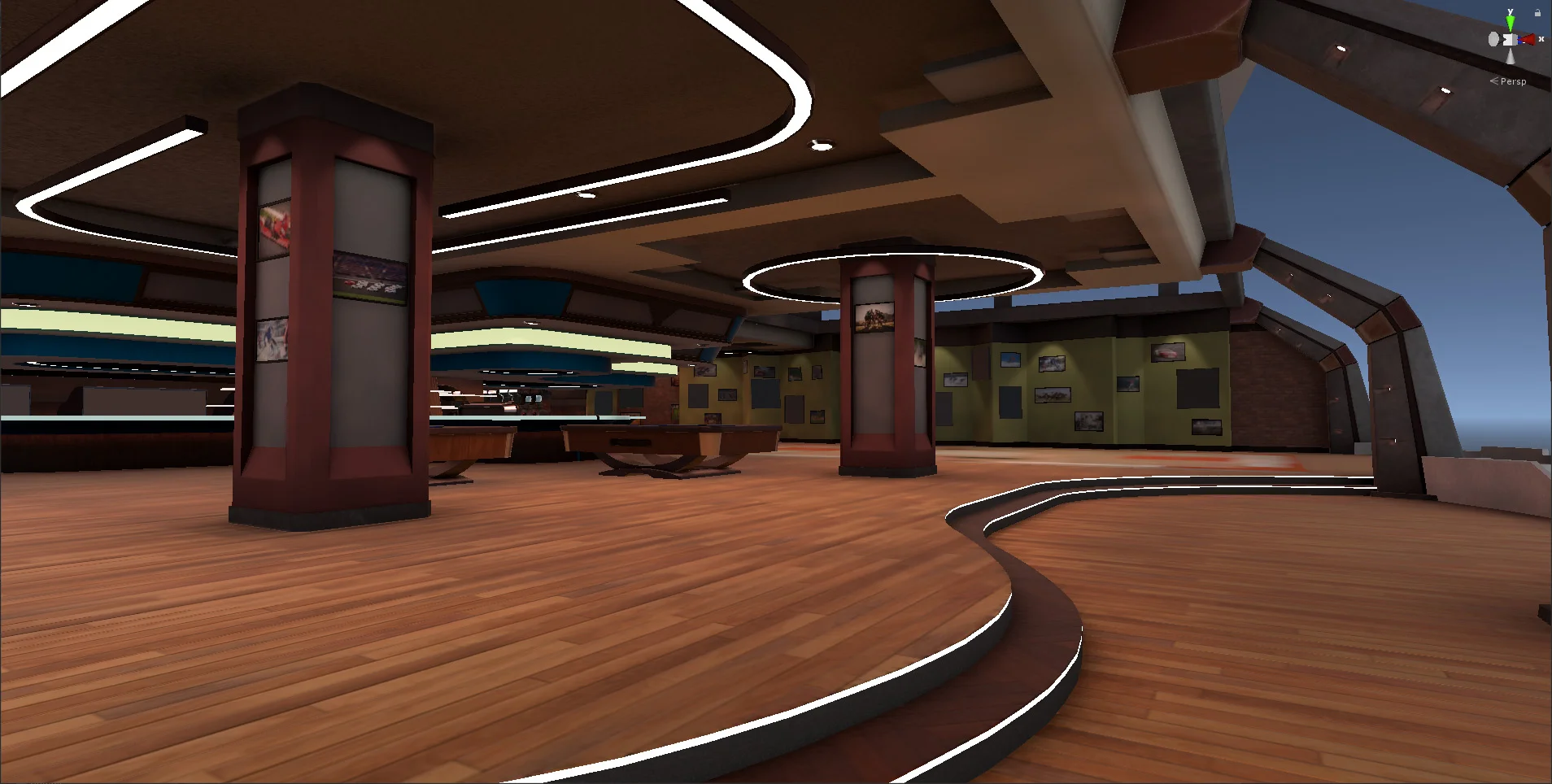
The Verizon VR Sports Lounge is an exciting social venue where remote fans, friends and family can watch TV together, cheer, hang out, play games, and watch live sporting events as if they were there.
brand: Envrmnt by Verizon Labs
work performed: Concept, Creative Direction
Welcome to the neon labyrinth of shifting reality! Get your 80's on in this retro chic VR adventure where 4 players fight for their lives to reach the goal in an always-online, ever-shifting world that can be manipulated by a vindictive Labyrinth Master at will! At the Verizon SXSW venue, 4 Vive stations (the VR-lings) and 1 Microsoft Surface Studio station (the Labyrinth Master) will be set up where anyone can play. The VR-lings fight to reach the goal while the manipulative all-seeing Labyrinth Master, Jareth, toys with the lowly mortals by placing barriers and monsters in their way to confuse their efforts.
Neon Mission is a 1980s retro-chic “city” grid game that pits players against a cruel Labyrinth Master and neon monsters. It demonstrates two VR firsts: Live VR environment that can be manipulated and changed in realtime while inhabited. Collaborative (or not!) gameplay between Vive VR and a Microsoft Surface Studio table.
brand: Verizon
work performed: Creative Direction
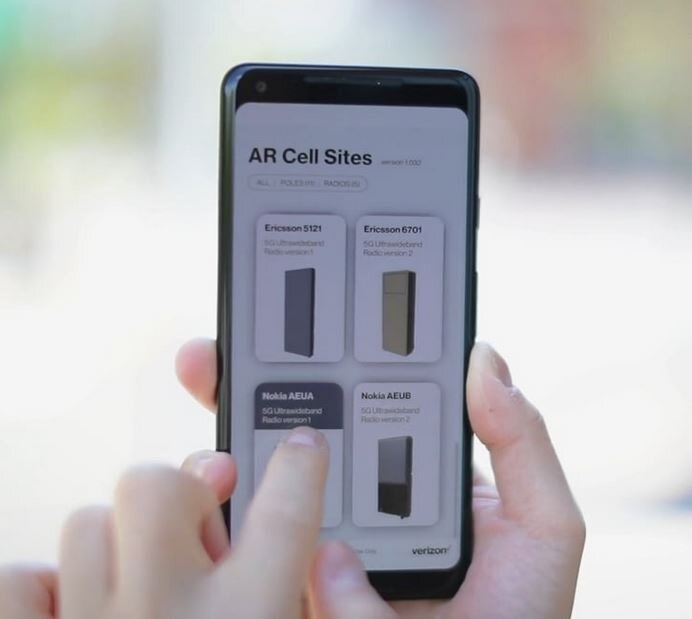
AR Cell Sites is used by Verizon Field Ops to visually place 5G radios and poles in real-world settings. Technicians can see measurements and understand 5G radio visualization on site. Pictures of how the radios will look can be quickly shared with property owners, city officials, etc. for quick approval/comments.
Team Credits:
Mikei Huang - UX/Dev
Tanuj Palghamol - Dev
brand: Verizon
work performed: 3D Content Production Management
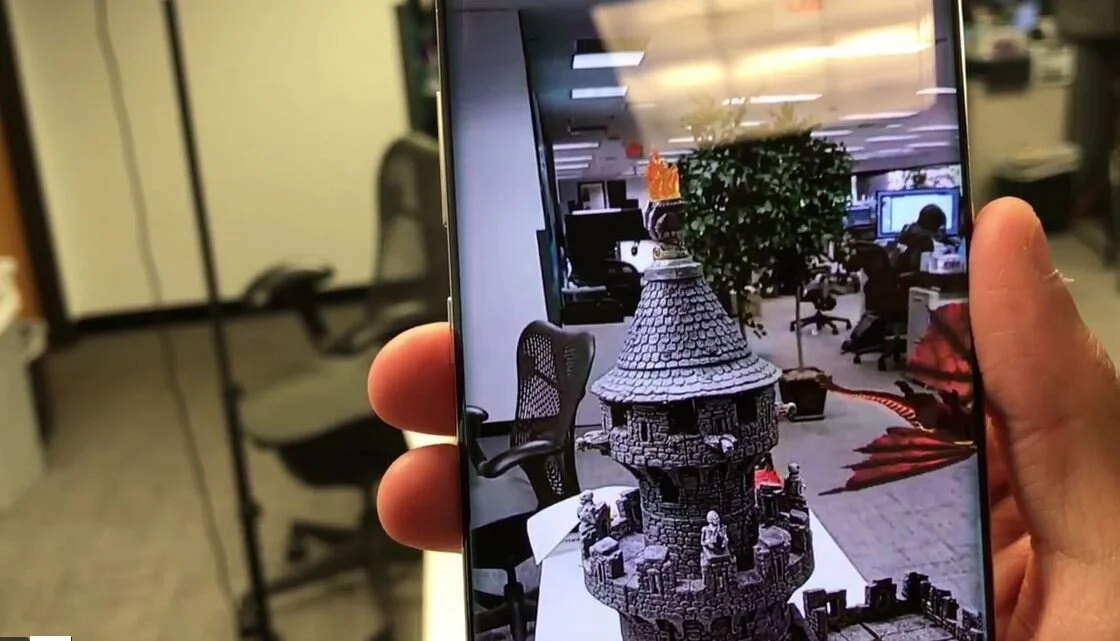
Work performed by my team for this amazing demo of 5G Edge accelerated AR on mobile. We designed the UX for the experiences and created, edited, and supplied original content and design for the engineers preparing the demo. The demo runs in our proprietary 3D engine running on the Verizon 5G Intelligent Edge.
Team Credits:
Min Hyul Bae - Lead 3D Generalist
Peter Casey - Lead Animator
TImothy Samuels - 3D Artist and Art Director
Jeffrey Smith - Lead 3D Rigger
Joseph Knight - Sr. UX Designer
brand: Freefall LLC
work performed: Ux, Design, 3D modeling/animation, Prototyping, Coding
Skydivers who are in training or want to improve their skills currently only have the options of scheduling actual skydives, training with pulleys and harnesses, or making long trips to physically-based simulation facilities. Skydivers want a way to train with physically accurate parameters wherever they are “on the go.” Also, as skydiving increases in popularity and new sports appear, such as wing suit diving, the skies are becoming more crowded and accidents more likely.
SkydiVR helps skydivers train anywhere/anytime in physically accurate, GPS-based skydive simulations without the inconvenience and expense of traveling to hard-to-find vertical wind tunnel or VR training facilities. SkydiVR also enables simulated group training for crowded conditions and how to properly handle them, thus reducing the chances of accidents while in the air.
Our challenge was to create something that would provide as much immersion as possible while providing a fluid and physically accurate experience for training skydivers. To meet this, I designed the simulator to work with three different types of interfaces, depending on what the user has available: keyboard and mouse, gamepad controller, or Microsoft Kinect. Use of a Kinect provides the most immersive feeling allowing users to swipe through menus and steer their parachutes using their arms in a natural fashion.
work performed: concept, interaction design, 3d modeling, animation, ui programming
Demonstration of the use of game-like 3d environments and interfaces to sell new real estate developments to potential customers before they are built. Website visitors can tour developments in life-like virtual environments such as this one. In addition, they can inspect each building in detail; discover specialized features and info; enter and tour particular units; and even move furniture about, change wall colors, and share creations with friends on social sites.
brand: Scion
work performed: lead 3d modeler, animation, and interaction designer
As Scion continued to expand their presence in the interactive space, they sought new and novel ways to reach their enthusiast base. The "Build Your Scion" site allowed Scion to reach out to its community of enthusiasts in a fun and revolutionary way while also attracting new business. This revolutionary experience allowed users to configure their favorite Scion vehicle with add-ons and accessories, add paint and decals, and see what the price will be. The application also put the users directly in touch with their nearest Scion dealer.